Long-duration wet-heat recorder export
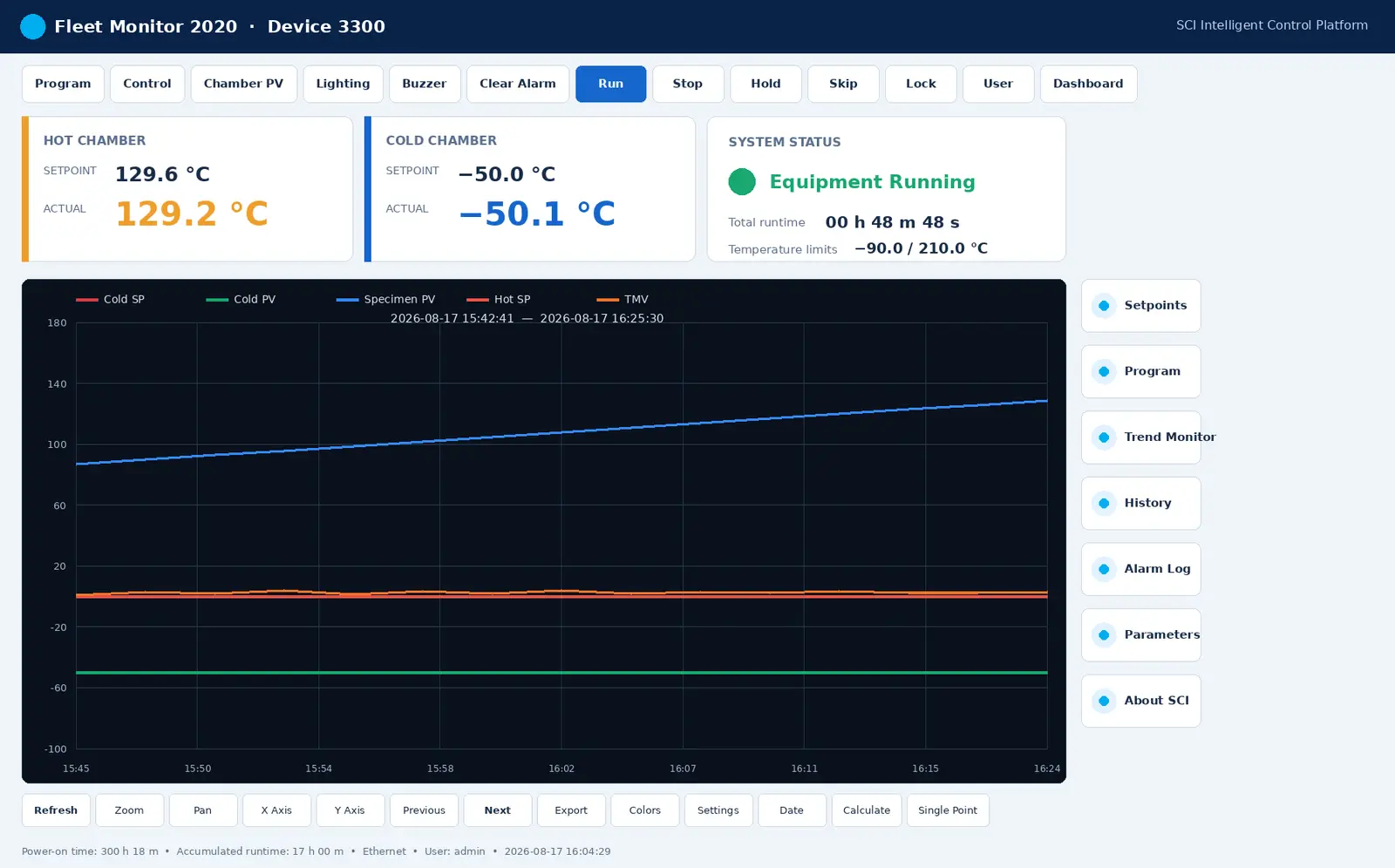
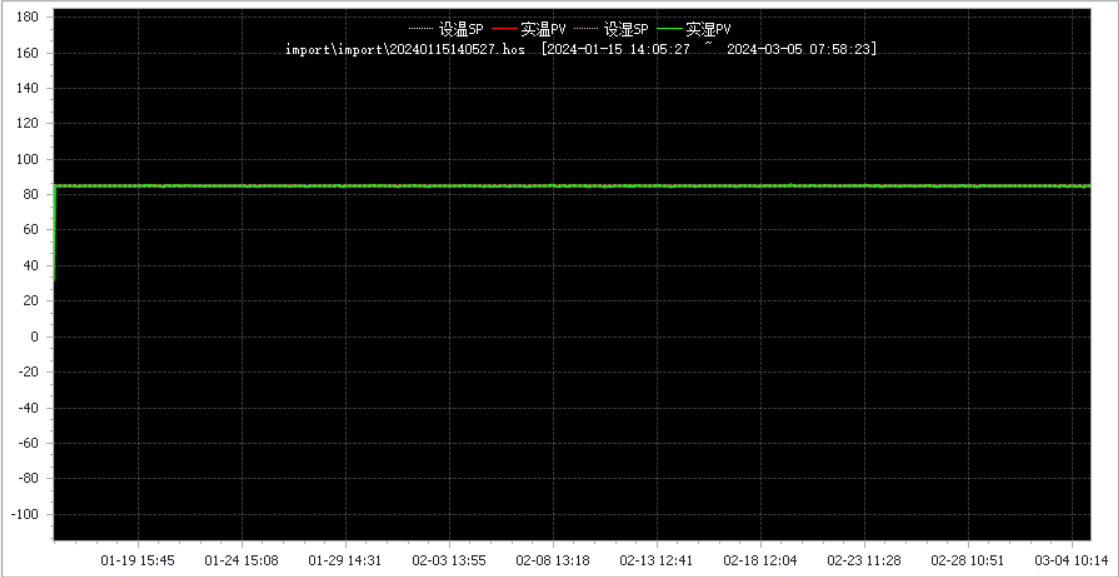
The supplied recorder export is retained in full for review of the displayed operating window.
Compare 80 L to 1,000 L chamber classes, check specimen fit, and review real engineering details and original performance records before requesting the final configuration.

Choose a chamber class and capacity, then review its workspace, observation window, operating range and typical application fit. Final selection is confirmed against the specimen, heat load, utilities and acceptance method.

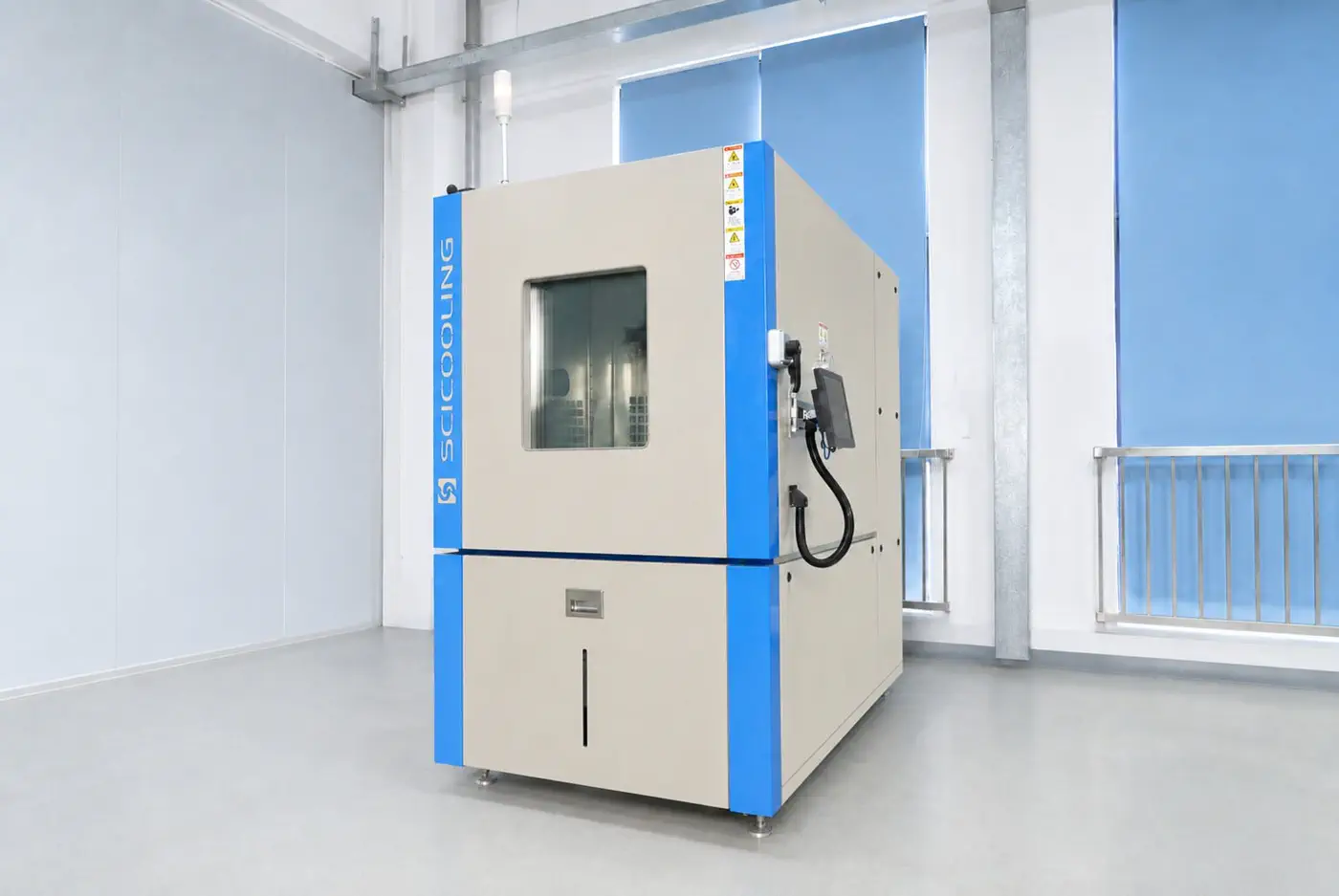
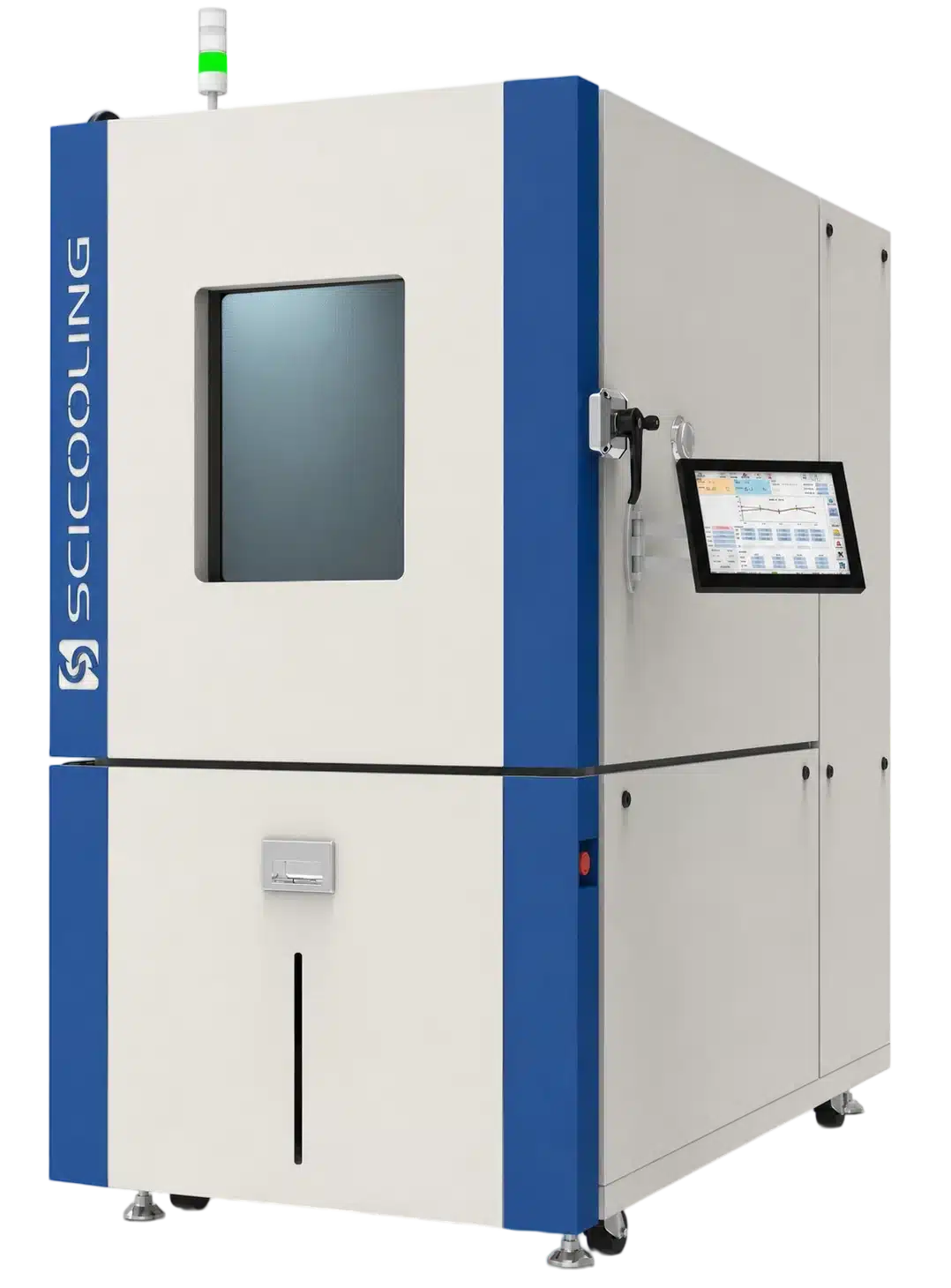
A balanced mid-size chamber for routine reliability validation and engineering test programs.
Verify the model code, capacity, operating range, workspace and observation-window size before moving into installation planning and engineering review.
| Model | Volume | Temperature | Humidity | Workspace | Observation window | Positioning |
|---|
* Values are family-selection references. Confirm final model range, humidity boundary, power supply, conditions and selected options in the approved quotation and technical specification.
Explore the stainless workspace, airflow path, refrigeration and humidity hardware, interfaces, protection devices and maintenance access through distinct real-equipment views.

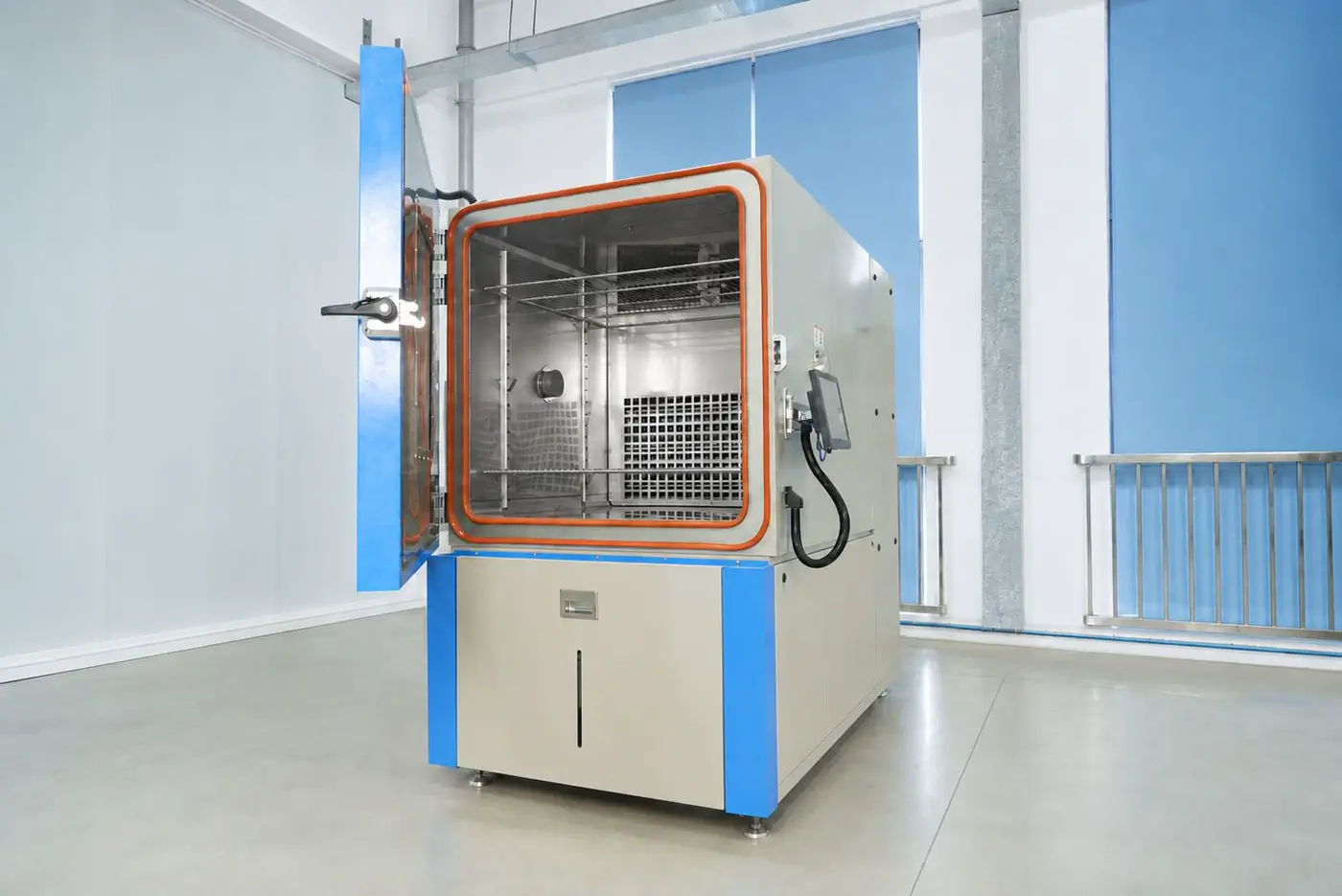
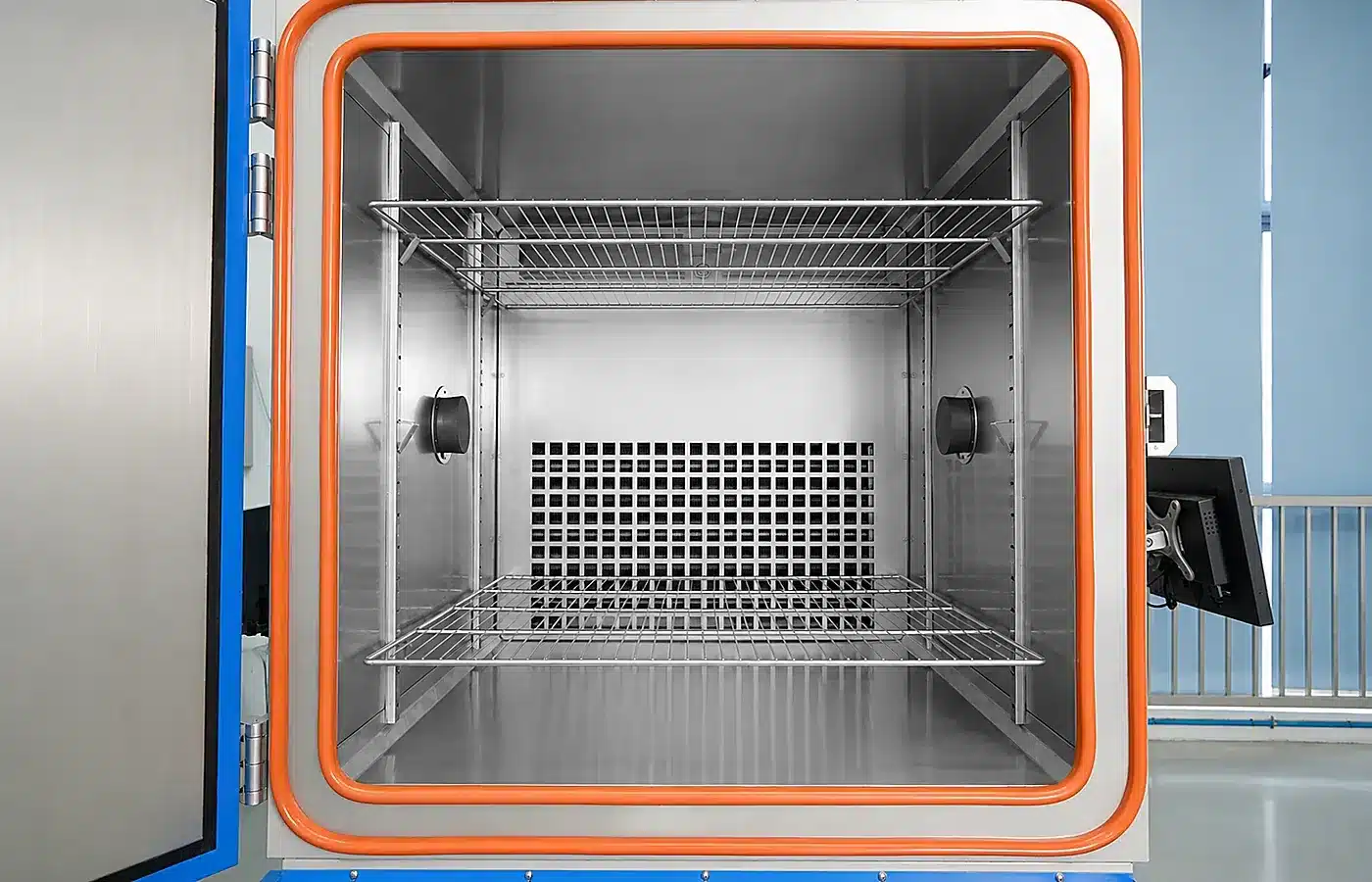
Stainless workspace, shelving and airflow path provide a direct view of the usable test environment.
Each value claim is connected to a mechanism, hardware detail, disclosed test condition or operating record.
The supplied same-condition study supports a 33% result; the ROI calculator uses a conservative 30% planning factor. Calculate value →
Extended wet-heat running cases support sustained-operation positioning. Review evidence →
Interior airflow and sensor details connect physical chamber design with measured control performance.
Physical controls, interfaces and remote evidence reinforce usability, diagnostics and integration value.
Select a record to inspect the original recorder, controller or spreadsheet view at a readable size. The English reading guide identifies each displayed variable without adding translated text over the source record.

The supplied recorder export is retained in full for review of the displayed operating window.
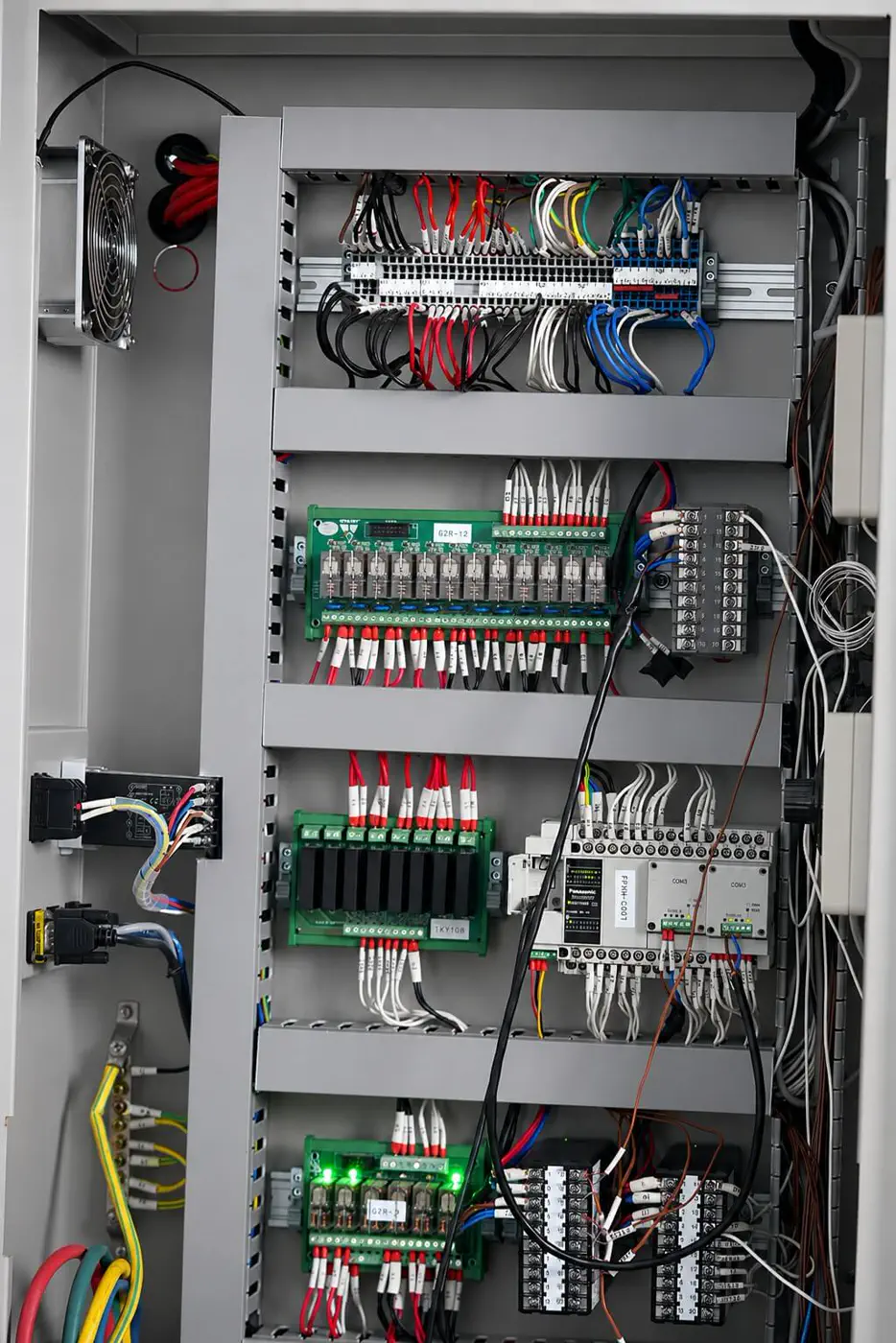
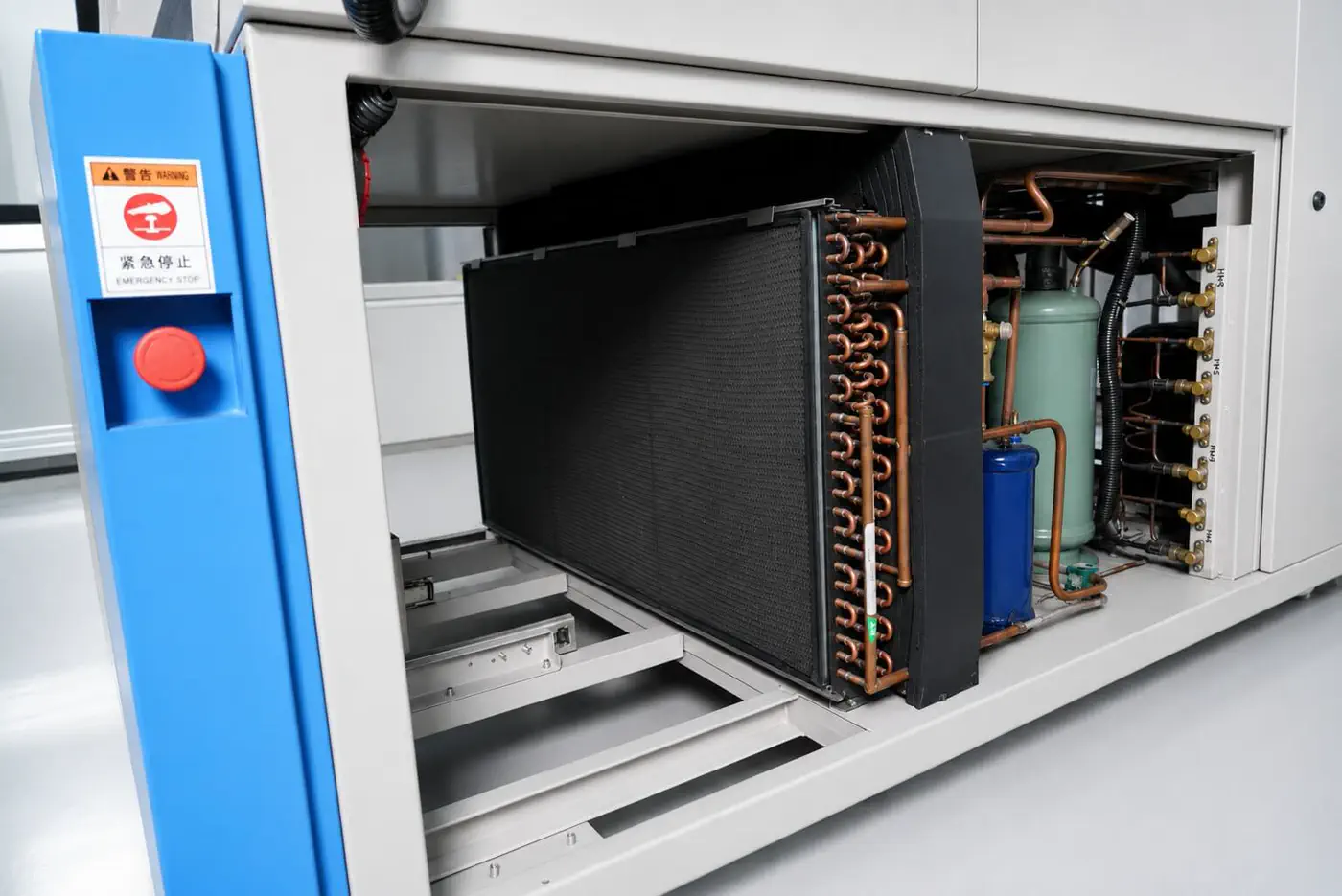
Each card uses a different real-equipment view: controller, remote record, electrical organization and refrigeration service access.

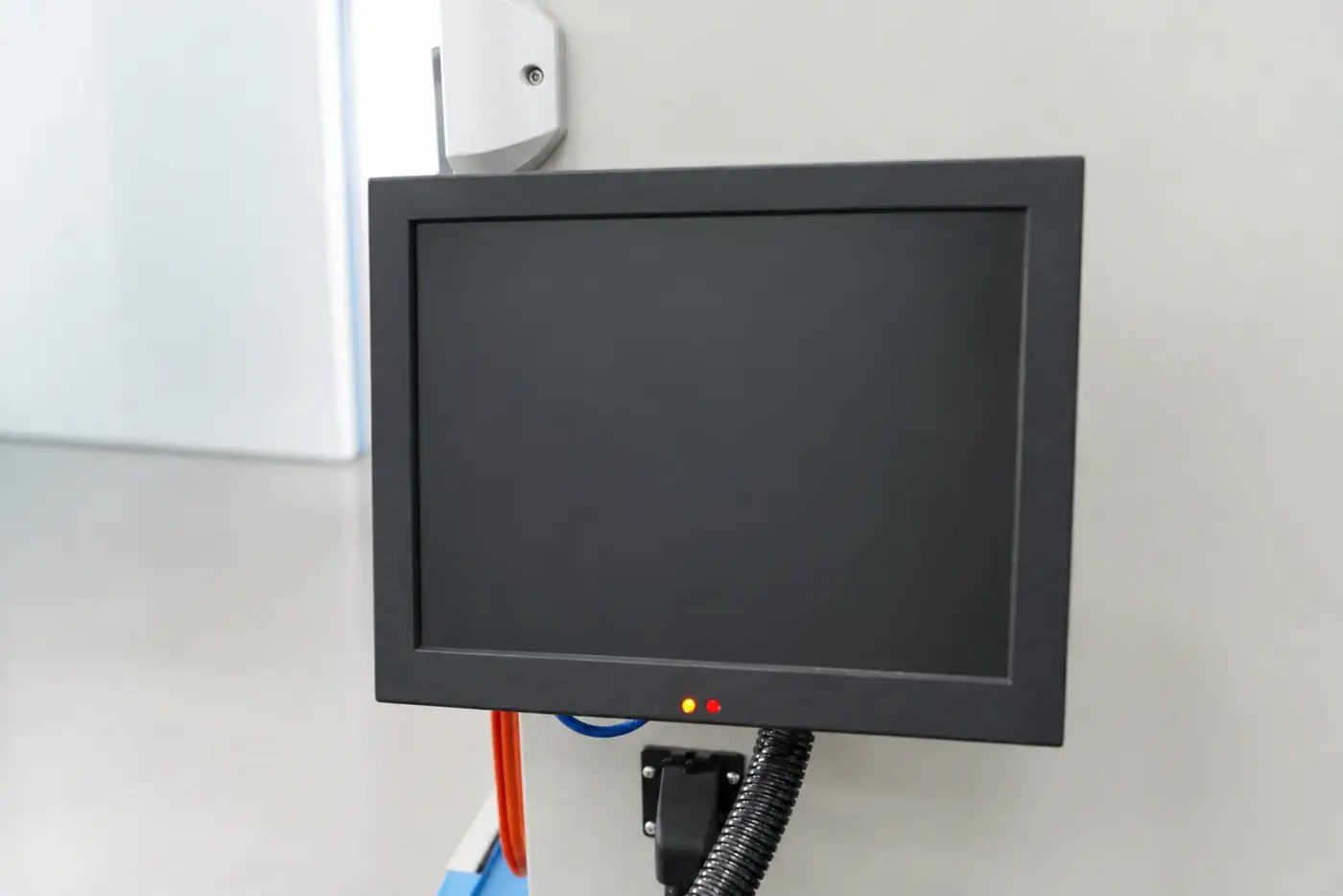
The dedicated controller view keeps the usability story grounded in the equipment actually delivered.

Connected configurations can share operating state, alarms and live SP/PV curves with technical support before deciding the next action.

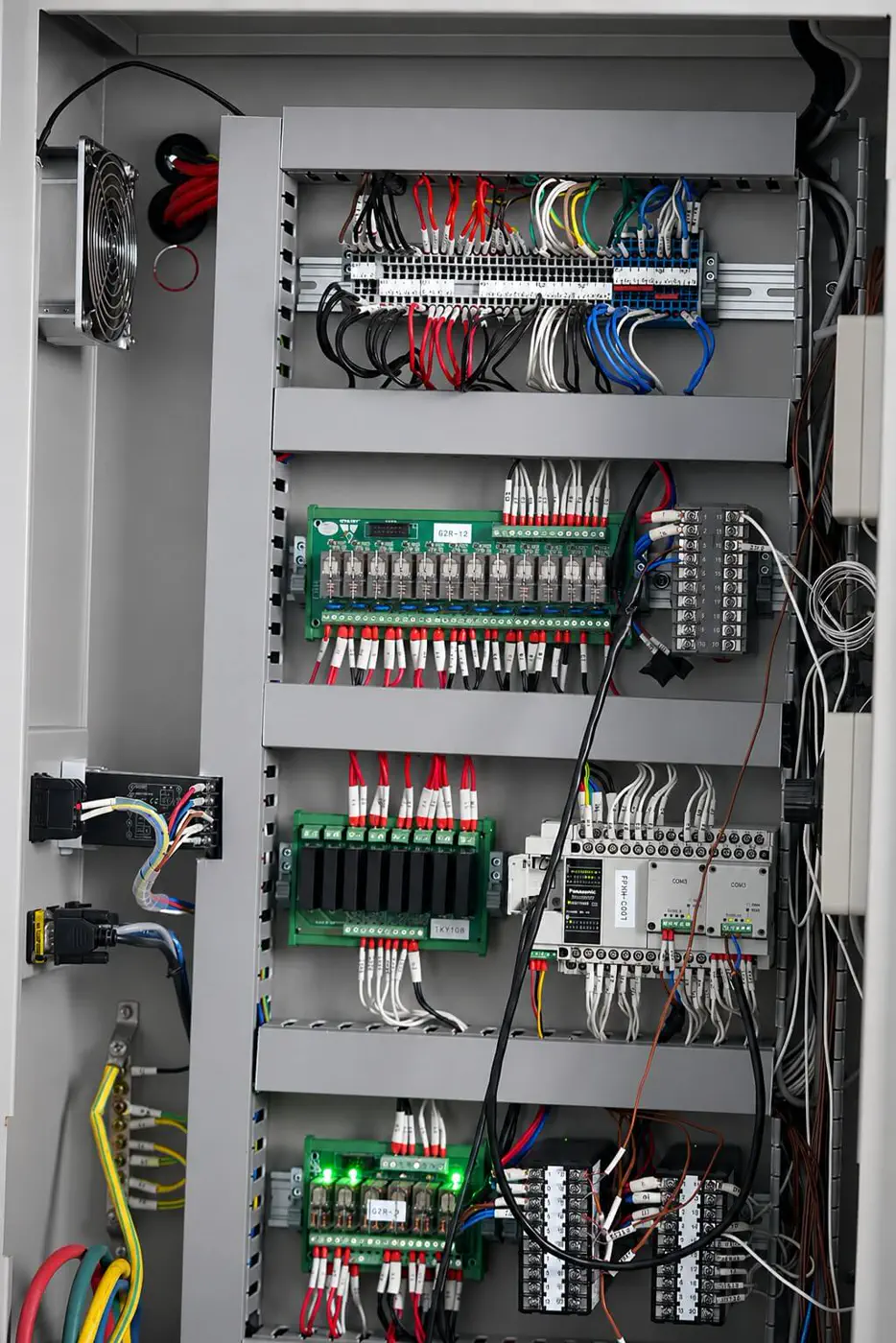
Terminal blocks, relays and control devices are grouped for inspection, identification and service access.

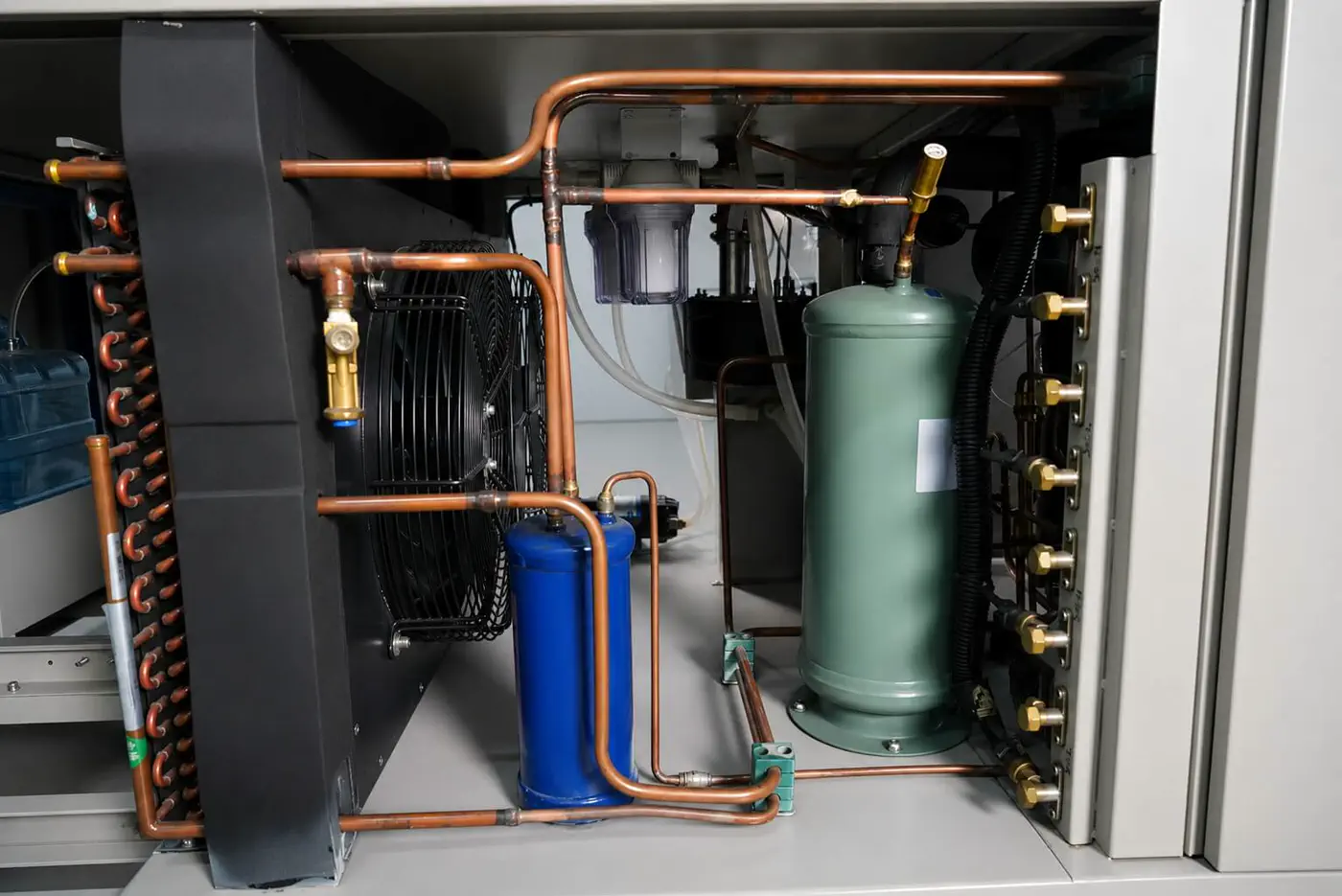
The open lower service bay shows heat-exchange hardware, copper piping and maintainable component access.

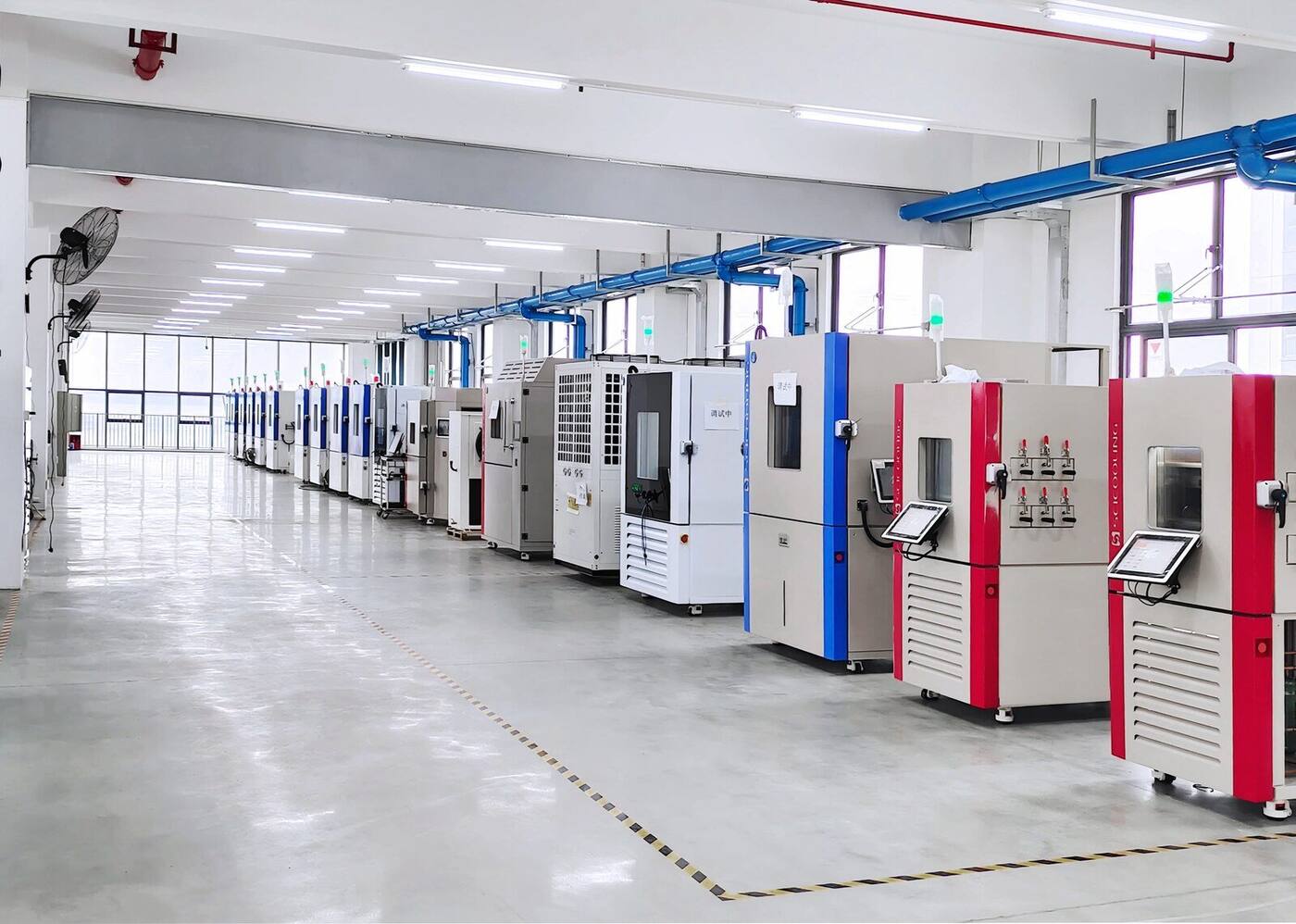
Real workshop context connects the digital configuration with assembled equipment, functional testing and release preparation. Model, options and acceptance requirements remain traceable through the engineering and quality process.
The supplied inspection workbook contains 223 recorded line items: 219 defined requirements plus four open issue-capture lines. The visual below preserves the four disciplines, severity logic and closed-loop release process.


Every process owner checks the work, the next process cross-checks the handoff, and final QA controls release. Identified issues are rectified and re-checked before sign-off.
Share the standard, specimen dimensions, quantity, loading, heat load, target temperature / humidity profile, utilities and acceptance basis. The selected family model is carried into the request automatically.