
Cold! Cold! Cold!
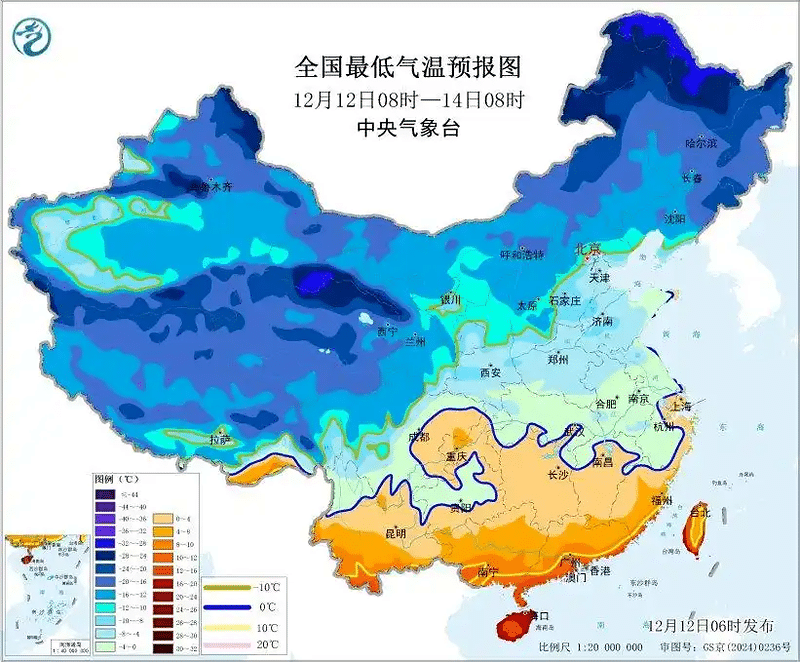
Harbin -23°C, Beijing -10°C, Xi’an 0°C, Nanjing -1°C… According to the latest news from the Central Meteorological Observatory, a new round of cold waves will hit in December, causing temperatures in northern China to drop sharply by 6~14°C, and bringing the largest rain and snow since the start of winter.
For environmental reliability testing laboratories, this not only means adding extra clothing to keep warm, but also ensuring thorough winter protection for the precise environmental testing test chamber.
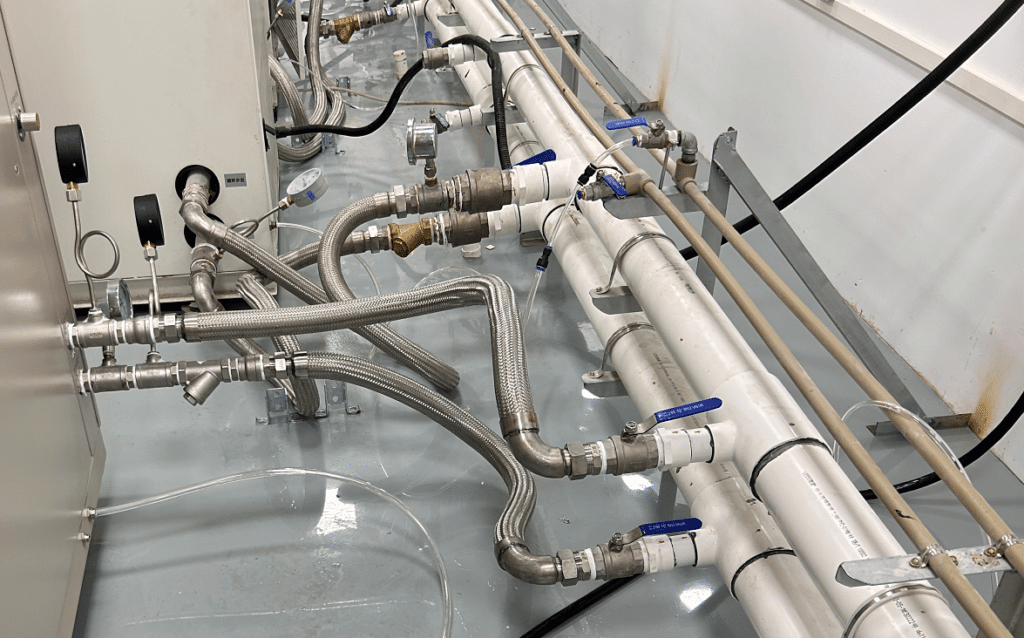
01 Water-Cooled Equipment: The First Line of high-reliability in Winter Freeze protection for water-cooling systems is the top priority in winter equipment maintenance. If the ambient temperature is too low, the circulating cooling water pipelines may freeze. Once ice forms, the pipes may freeze and crack, causing leaks, refrigerant leaks, and damaging the pump and compressor. Differentiated protection strategies should be adopted according to the climate characteristics of different regions: u In the Yangtze River basin (such as Shanghai, Hunan, Hubei, Sichuan, Chongqing, etc.), the ambient temperature often hovers around 0°C. When the equipment is shut down, the cooling water circulation system should continue to operate to ensure continuous water flow and prevent freezing from stagnant. If the equipment needs to be shut down for an extended period, the safest solution is to completely drain the water from the cooling water system, use compressed air to blow away any residual moisture in the pipelines, and at the same time close the inlet valve and cut off the power supply.
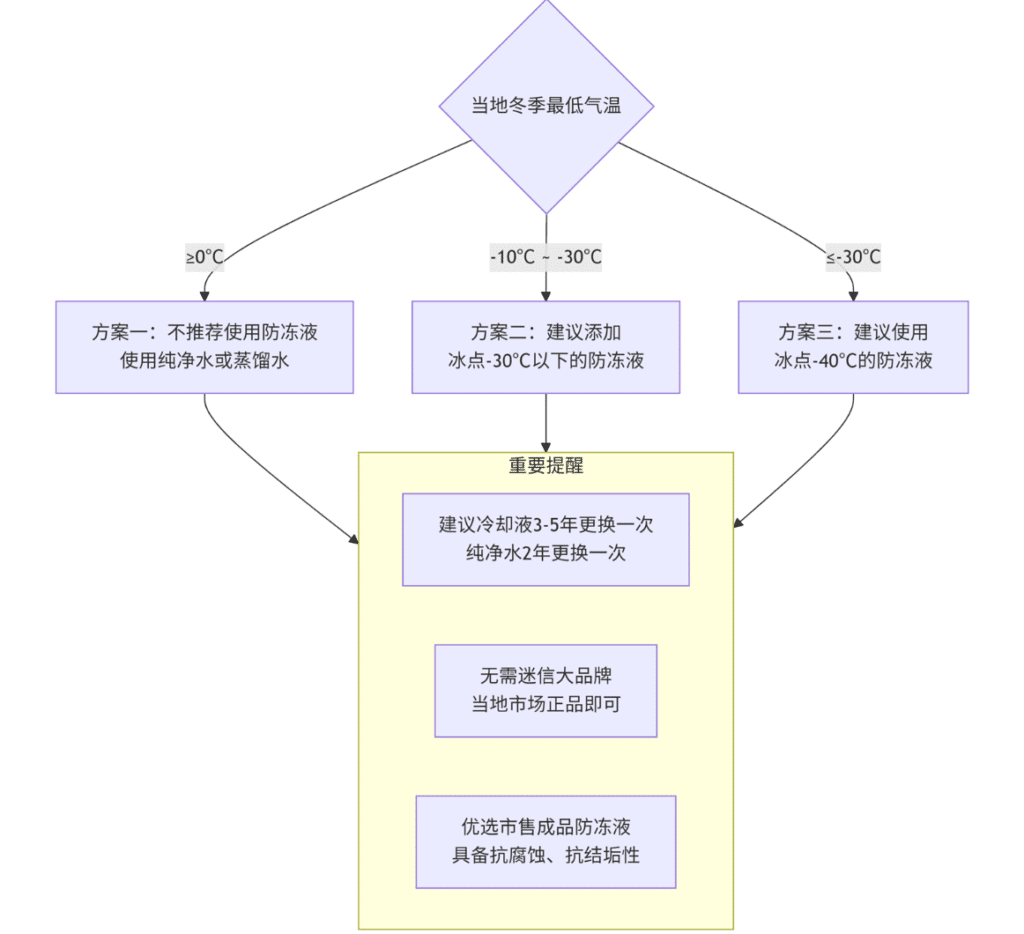
02 Choosing Coolant: Freezing Point Temperature Is Key Choosing and correctly using coolant is the core of protecting your water-cooled equipment. The only chosen criterion is the freezing temperature, which must be about 5°C lower than the local winter minimum. As shown in the figure below, here is a solution for choosing antifreeze for your reference.
03 Abnormal Alarm Interpretation: “Faults” You Don’t Need to Worry About In cold winter environments, devices may trigger some protective alarms, which are usually normal self-protection behaviors and not overly concerned. There are mainly two types of alarms: low operating high pressure alarm / low operating low pressure alarm, and compressor ambient temperature too low alarm. The reason lies in the design and operating conditions of the equipment. Under normal circumstances, the required operating environment temperature for the equipment is +5°C~+35°C. When the ambient temperature falls below this range, especially well below 5°C, the above alarm may be triggered and the machine stop prompt. If you encounter these situations, the most effective way to handle them is to contact our technical staff directly. They can remotely guide parameter adjustments or quickly troubleshoot faults based on the on-site environment.
04 Comprehensive Winter Maintenance Checklist Besides the water cooling system and antifreeze, winter maintenance also requires attention to the following aspects:
Ensure the ambient temperature of the test chamber is not lower than 5°C. If laboratory temperature is difficult to maintain, consider adding external insulation measures to the test chamber, such as building a simple insulation room.
Pre-startup inspection and warm-up are crucial. Before starting the machine, check whether the drainage pipes are unobstructed to prevent water accumulation and freezing. When starting the equipment in winter, it is recommended to set it to run near room temperature for a period of time to preheat and reduce stress caused by excessive temperature differences.
Keep the inside of the box clean and moist. After the test, promptly clean any sample residue and moisture inside the chamber to prevent freezing or corrosion of the chamber. Dry winter air may affect equipment operation, so a humidifier can be installed as needed.
For equipment that will not be used for a long time, it is recommended to start the compressor once a month, running it for about 1 hour each time to maintain good condition.
The environmental testing test chamber mainly includes high and low temperature (damp heat) test chambers, impact test chambers, turntable matching/vibration isolation test chambers, altitude test chambers, combined temperature and humidity vibration environmental test chambers, walk-in and automotive environment chambers, ultra-low temperature equipment, and more.
Related Resources & Next Step
Review the high and low temperature test chamber range, see our service and maintenance support, or contact SCI for cold-weather operating guidance.
Need to evaluate a test profile or configure a chamber? Explore the relevant SCICOOLING solution and submit your project requirements.